
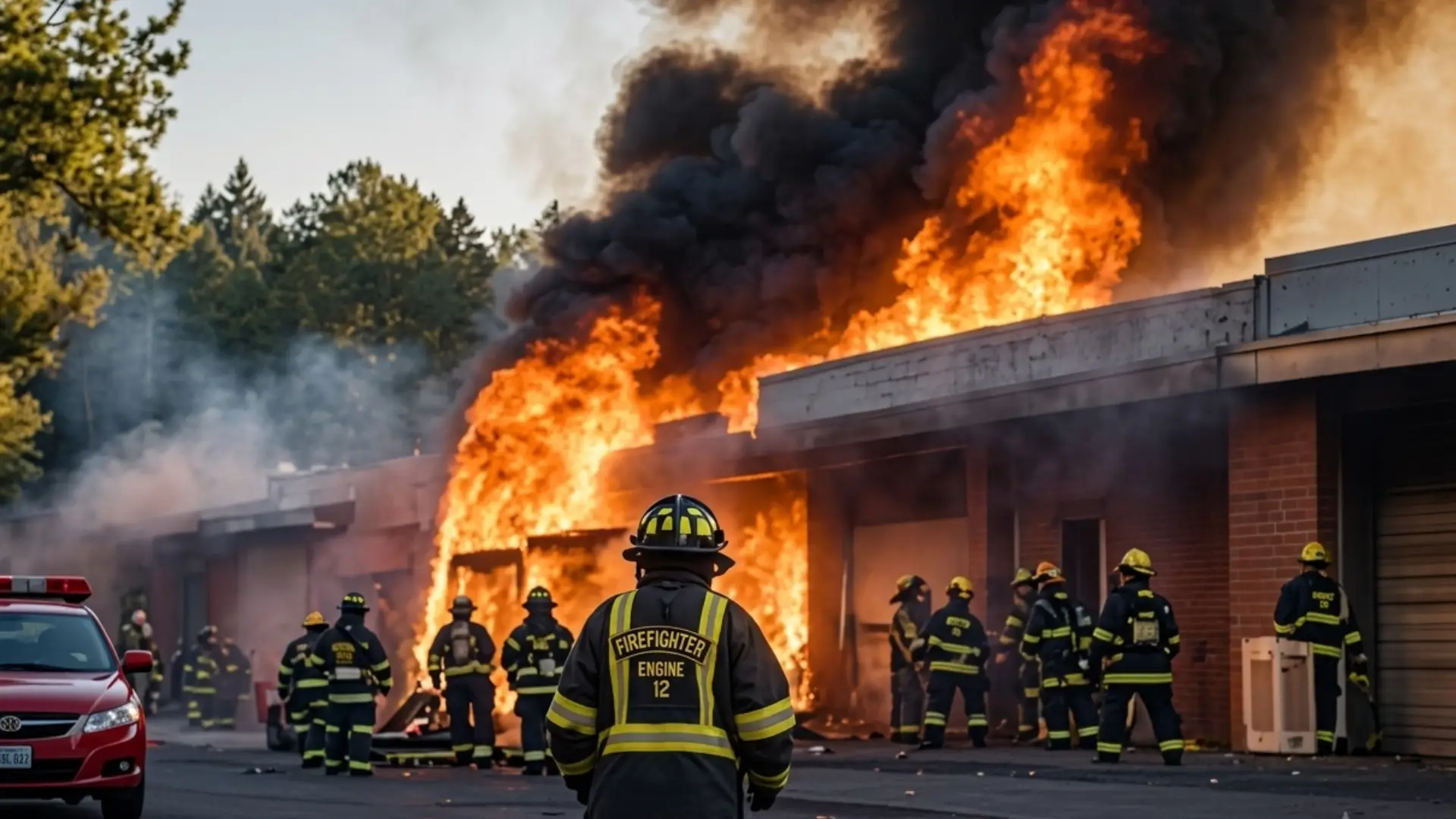
Complete Guide to Fire Safety in the Workplace
Fire safety is one of the most important aspects of maintaining a safe and productive workplace. Every business, regardless of its size or industry, faces potential fire hazards that can threaten employees, customers, equipment, and property. Developing a comprehensive fire safety strategy helps reduce these risks while ensuring compliance with local fire regulations. From installing the proper equipment to training employees and conducting routine inspections, every step plays an essential role in preventing fire-related incidents.
Why Fire Safety Matters
Workplace fires can happen unexpectedly due to electrical faults, improper storage of combustible materials, human error, or equipment failure. A strong fire safety program helps minimize damage, protects lives, and allows businesses to recover quickly should an emergency occur.
Protecting Employees
Employees are the most valuable asset of any organization. Proper fire prevention measures, emergency evacuation plans, and regular training provide workers with the knowledge and confidence they need to respond safely during emergencies.
Protecting Business Assets
Fire can destroy expensive equipment, important documents, inventory, and facilities within minutes. Investing in fire protection systems significantly reduces financial losses and minimizes business interruptions.
Common Causes of Workplace Fires
Understanding common fire hazards helps businesses identify potential risks before they become dangerous.
Electrical Hazards
Faulty wiring, overloaded circuits, damaged extension cords, and poorly maintained electrical equipment remain among the leading causes of commercial fires.
Prevention Tips
Schedule regular electrical inspections, avoid overloading outlets, replace damaged cables immediately, and ensure all electrical installations comply with current safety standards.
Flammable Materials
Many businesses store paints, fuels, chemicals, cleaning products, and combustible materials that require careful handling and storage.
Safe Storage Practices
Always store flammable substances in approved containers away from heat sources and maintain proper ventilation in storage areas.
Poor Housekeeping
Dust, paper waste, cardboard, and other combustible materials can accumulate over time and increase the severity of a fire.
Regular Cleaning
Implement daily housekeeping procedures to remove unnecessary combustible materials and maintain clean workspaces throughout the facility.
Choosing the Right Fire Protection Equipment
Installing appropriate fire protection equipment is a critical part of any workplace safety plan.
Fire Extinguishers
Different fire extinguishers are designed for different fire classes. Businesses should conduct a fire risk assessment before selecting extinguishers for each area.
Inspection Schedule
Inspect extinguishers monthly and schedule professional servicing annually to ensure they remain fully operational.
Fire Alarm Systems
Early detection allows occupants to evacuate quickly while emergency responders receive immediate notification.
Routine Testing
Fire alarm systems should be tested regularly according to manufacturer recommendations and local fire regulations.
Emergency Lighting
Emergency lighting helps guide occupants safely during power outages caused by fire emergencies.
Employee Fire Safety Training
Even the best fire protection equipment is only effective when employees know how to respond correctly.
Fire Evacuation Procedures
Employees should understand evacuation routes, assembly points, and emergency communication procedures before an incident occurs.
Practice Through Fire Drills
Conducting routine fire drills familiarizes employees with emergency procedures and reduces panic during actual emergencies.
Fire Extinguisher Training
Employees should learn the PASS method: Pull the pin, Aim at the base of the fire, Squeeze the handle, and Sweep from side to side.
Routine Fire Safety Inspections
Regular inspections help identify hazards before they become serious safety concerns.
Monthly Inspections
Check fire extinguishers, emergency exits, signage, smoke detectors, and emergency lighting every month.
Annual Professional Inspections
Certified fire safety professionals can perform comprehensive inspections to verify that all fire protection systems comply with current safety standards.
Creating an Emergency Response Plan
Every workplace should maintain a written emergency response plan that is easily accessible to all employees.
Assign Responsibilities
Designate emergency coordinators, fire wardens, and first aid personnel who understand their responsibilities during an emergency.
Establish Assembly Points
Select safe outdoor assembly locations where employees can gather after evacuation for attendance verification.
Review and Update the Plan
Review emergency procedures annually or whenever significant changes occur within the building, workforce, or business operations.
Final Thoughts
Fire safety is an ongoing responsibility that requires planning, training, maintenance, and continuous improvement. By investing in quality fire protection equipment, educating employees, conducting regular inspections, and maintaining a comprehensive emergency response plan, businesses can significantly reduce fire risks while protecting lives and property. A proactive approach to fire safety creates a safer workplace, improves regulatory compliance, and provides peace of mind for everyone involved.